
FDA's Front-of-Pack Nutrition Labeling Rule: What Every CPG Brand Must Update in 2026

The FDA's proposed front-of-package (FOP) nutrition labeling rule represents the most significant change to food packaging requirements since the 2016 Nutrition Facts label overhaul. If finalized, this rule will mandate a new "Nutrition Info box" on the front of most packaged foods. Brands that delay preparation will face immense pressure to update hundreds of SKUs under tight deadlines.
So keep following GoVisually's weekly posts for more updates on regulatory compliance news.
Key Takeaways for CPG Brands
- Mandatory "Nutrition Info Box": A standardized box will appear on the front of most packaged foods.
- Key Nutrients Displayed: Saturated fat, sodium, and added sugars will be rated as "Low," "Med," or "High."
- 2026 Priority: The FDA has listed nutrition labeling updates as a 2026 priority deliverable for its Human Foods Program, signaling its commitment to finalizing this rule.
- Proactive Audit Needed: CPG brands must audit their entire packaging portfolio now, as non-compliant labels will require full redesigns of high-visibility front panels.
What the FDA's Proposed Nutrition Info Box Actually Requires?
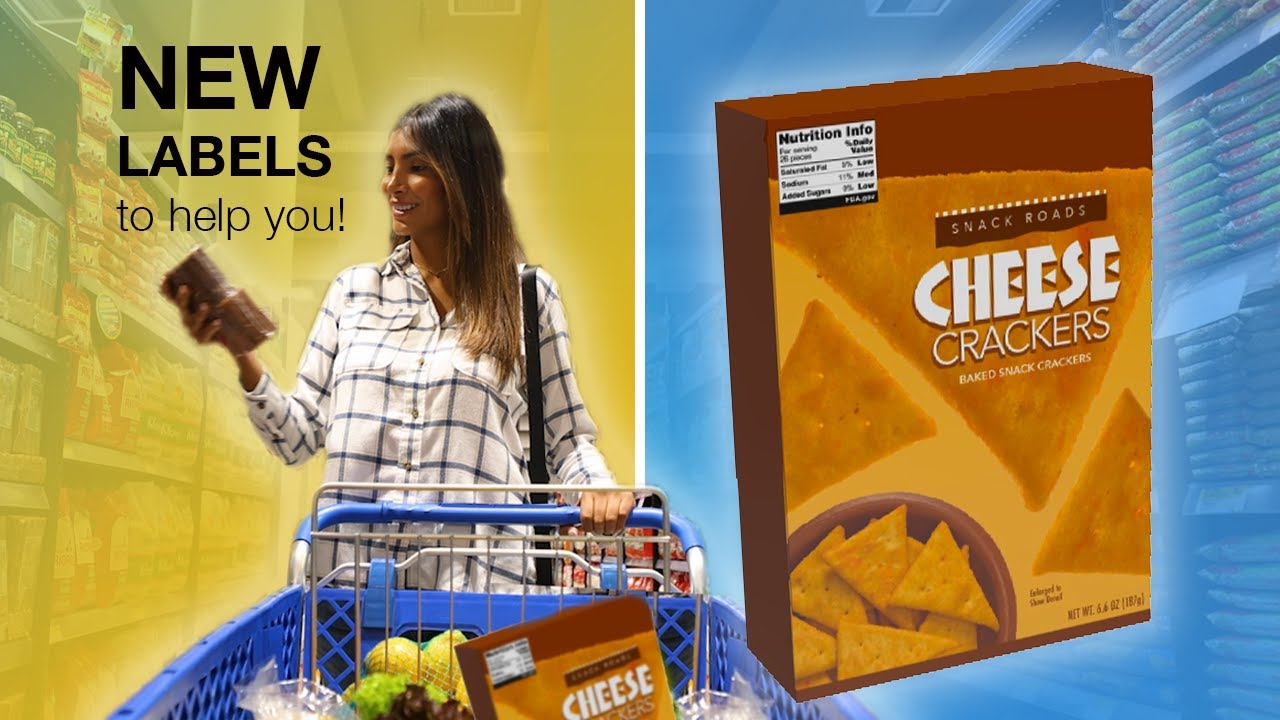
Published in the Federal Register on January 16, 2025 (Docket No. FDA-2024-N-2910), the FDA's proposal introduces a new mandatory label element: the "Nutrition Info box." This is not a voluntary program; it is a proposed federal requirement for most packaged foods sold in the United States.
Understanding the Nutrition Info Box
- Front-Panel Placement: The box will be located on the principal display panel, the front of the package.
- Three Core Nutrients: It will display saturated fat, sodium, and added sugars content.
- Interpretive Ratings: Each nutrient will be rated as "Low," "Med," or "High" based on FDA-defined thresholds relative to the Percent Daily Value (%DV).
- Consumer Clarity: The goal is to provide consumers with an at-a-glance interpretation of the numerical data already present on the Nutrition Facts panel.
Legal Authority and Impact
The FDA's authority for this rule stems from the FD&C Act, allowing the agency to highlight nutrition information to assist consumers in maintaining healthy dietary practices. This new box will layer on top of existing requirements; it does not replace the Nutrition Facts panel.
The Rulemaking Timeline
Comment Period: The comment period for the proposed rule was extended to July 15, 2025, in response to industry requests.
FDA Priority: The FDA's Human Foods Program has listed nutrition labeling updates as a 2026 priority, indicating that this rule is actively moving forward.
Which Products Are in Scope and Which Are Exempt?
The proposed rule largely mirrors the existing Nutrition Facts framework. If your product currently carries a Nutrition Facts panel, you should assume it will be required to carry the Nutrition Info box once the rule is finalized.
Products Generally In-Scope
Most packaged foods that already require a Nutrition Facts label under 21 CFR Part 101.
Products Generally Exempt
- Raw produce and certain small packages.
- Foods sold by very small businesses below specific revenue thresholds.
- Dietary Supplements: These carry a Supplement Facts panel and operate under different labeling regulations.
Specific Considerations
- Single-Ingredient Foods: Products like plain shrimp or whole milk, if they currently bear a Nutrition Facts label, are not automatically exempt.
- Dual-Language Labels: Brands with dual-language packaging will need to ensure the Nutrition Info box meets requirements in both languages.
- Best Practice: Pull your full SKU list, filter for all products currently bearing a Nutrition Facts panel, and treat every one of them as in-scope until explicit exemptions are provided in the final rule.
The Three Nutrients at the Center: Saturated Fat, Sodium, and Added Sugars
The FDA's selection of saturated fat, sodium, and added sugars is deliberate, aligning with current federal dietary guidelines that advise limiting these nutrients. The FOP proposal essentially brings this critical health information from the back panel to the front.
Understanding the "Low," "Med," and "High" Thresholds
- Saturated Fat: Thresholds align with existing nutrient content claim frameworks.
- Sodium: The proposed rule revises the "low sodium" nutrient content claim limit to 115 mg per Reference Amount Customarily Consumed (RACC) or per 100g. This is a critical detail: if your product currently carries a "low sodium" claim but does not qualify for a "Low" rating under the new FOP thresholds, you will have an inconsistency that must be resolved.
- Added Sugars: The FOP rule will surface the added sugars content (already declared separately on the Nutrition Facts panel) as a "Low," "Med," or "High" rating.
Practical Implications for Formulation and Claims
- Absolute %DV Thresholds: The "Low/Med/High" thresholds are absolute, not relative to other products in the category.
- Serving Size Impact: These ratings are calculated per RACC. If your serving sizes are outdated, your FOP classifications may be inaccurate. Audit your serving sizes before calculating FOP ratings.
- Example: Cottage Cheese: A product like cottage cheese, often marketed for protein, can have 300-400mg of sodium per serving, potentially leading to a "Med" or "High" FOP rating. Brands need to run these numbers now.
How the Proposed FOP Rule Changes Your Packaging Workflow?
The Nutrition Info box is a front-panel element, meaning it will compete for space with branding, photography, and existing regulatory elements. This is not a minor text update; it's a structural redesign of your most valuable label real estate.
Key Workflow Changes
Design Templates Must Be Rebuilt: Every front-panel template for in-scope products will need to accommodate the Nutrition Info box, adhering to FDA's proposed format, size, and placement requirements.
Nutrient Calculations Validated Per SKU: You cannot apply a single FOP rating across a product line. Variants with different formulations will produce different ratings.
Claims Consistency Audit: Any product with a "low sodium," "reduced fat," or "no added sugars" claim must be evaluated for consistency with its FOP rating. This requires cross-functional review involving regulatory, marketing, and legal teams.
Print Specifications Updated: The Nutrition Info box has defined contrast, color, and legibility requirements, necessitating FOP-specific checks in your print readiness review.
The Challenge of Scale
Managing these changes across hundreds or thousands of SKUs manually—tracking updates, recalculations, and inconsistencies—quickly exceeds typical compliance team capacity. The volume of simultaneous changes is unprecedented.
How AI-Powered Playbooks Provide a Structural Advantage?
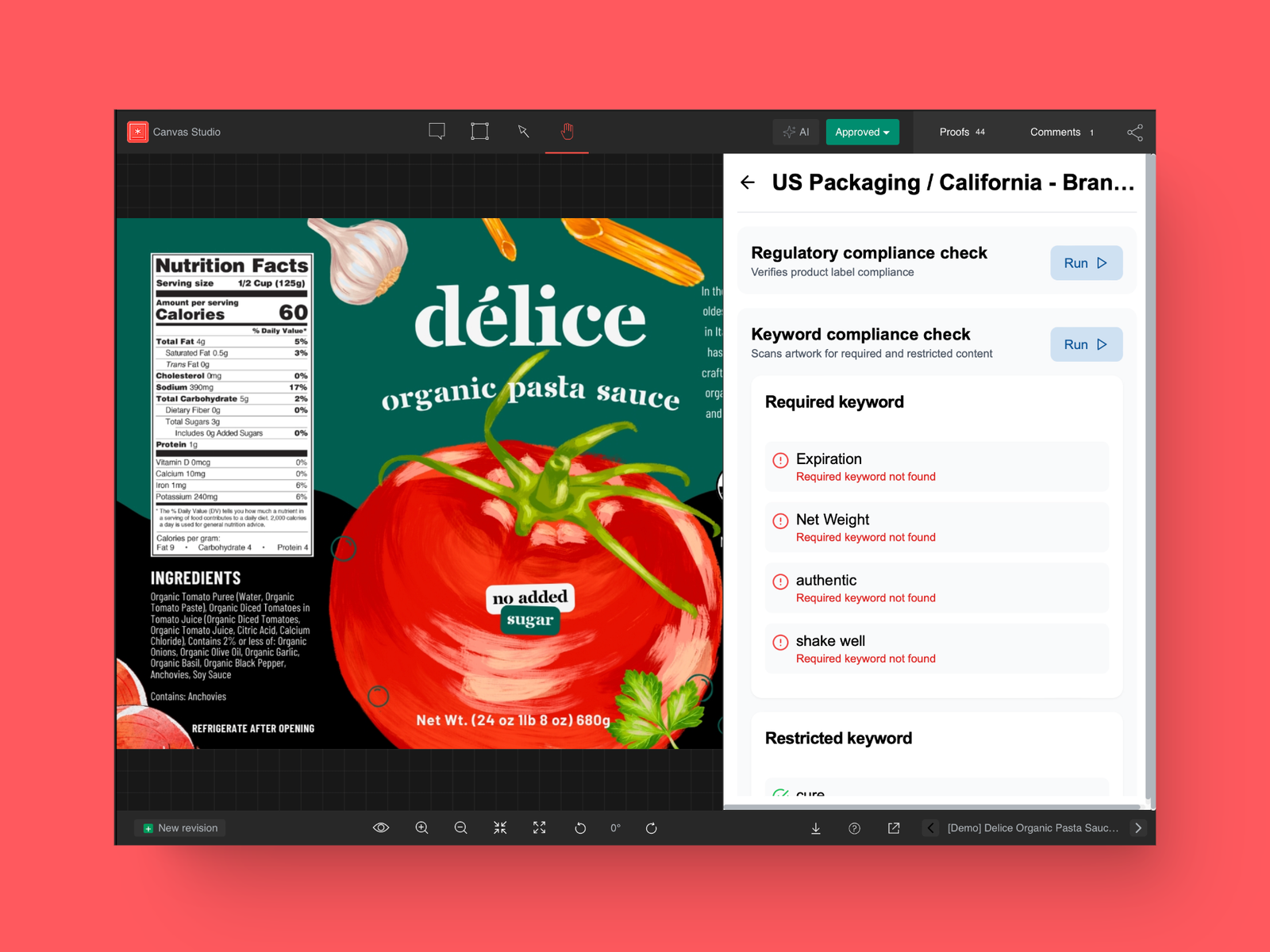
Platforms like GoVisually's AI Playbooks can automate much of this process:
- Automated Validation: Configure a Playbook to run the US FDA Regulatory Agent (v3.0) upon label upload, validating mandatory fields, Nutrition Facts panel accuracy, and claims, flagging inconsistencies before human review.
- Parallel Checks: The Visual Elements Validator (v1.0) checks logo placement and brand consistency, while the Print Readiness Agent (v1.0) catches resolution and color issues—all automatically, in seconds.
- Focus on Exceptions: Your regulatory team reviews only flagged exceptions, not every file, significantly increasing efficiency.
What CPG Brands Must Do Right Now to Prepare?
The FDA has not yet published a final rule, but the proposed rule is detailed, the comment period has closed, and nutrition labeling updates are a 2026 priority. Waiting for the final rule before preparing is the most common and costly mistake.
Practical Preparation Sequence
Build Your Affected SKU Inventory: Identify every product with a Nutrition Facts label. Document current saturated fat, sodium, and added sugars values per RACC for each SKU to create your FOP classification baseline.
Run Preliminary FOP Classifications: Use the proposed thresholds from the Federal Register (Docket No. FDA-2024-N-2910) to classify each SKU as Low, Med, or High for the three nutrients. Flag any conflicts with existing front-panel claims.
Audit Your Serving Sizes: Verify that declared serving sizes align with the 2016 serving size final rule (21 CFR Part 101, Subpart A). Outdated serving sizes will lead to incorrect FOP classifications.
Engage Design and Print Teams Early: Brief your packaging design team on the Nutrition Info box format requirements now. Early engagement allows template rebuilds to begin before the final rule, saving critical time later.
Establish a Compliance Documentation System: You will need to demonstrate that your labels were reviewed, updated, and approved against the new requirements. Every version, check, and approval needs to be traceable.
The Cost of Inaction
Recent FDA recall data shows that labeling errors and undeclared allergens account for a significant portion of recalls. These failures often stem from compliance processes unable to keep pace with the volume and complexity of label changes. A mandatory FOP update cycle will create industry-wide pressure.
GoVisually for Immutable Records and Structured Workflows

Audit Trail: GoVisually logs every action on every label—proof uploads, AI compliance checks, checklist completions, approvals, and version changes—providing an immutable record for regulatory submissions.
Approval Checklists: Build mandatory human-gate checklists specific to FOP compliance, ensuring all verification steps are completed before approval.
Custom Fields: Create structured inventory fields for regulatory status, formula version, FOP classification, and compliance owner, allowing instant filtering and management of your entire proof library.
FAQ: FDA Front-of-Package Nutrition Labeling
What is the FDA's proposed rule for front-of-package labeling?
The FDA's proposed rule (Docket No. FDA-2024-N-2910) would require a "Nutrition Info box" on the front of most packaged foods. This box would display saturated fat, sodium, and added sugars content, rated as "Low," "Med," or "High."
Is front-of-package nutrition labeling currently mandatory in the United States?
No, not yet. The FDA's Nutrition Info box is a proposed rule, not a final rule. However, its status as a 2026 FDA priority means CPG brands should prepare urgently.
What are the new dietary guidelines affecting food labeling in 2026?
The FDA's 2026 Human Foods Program priorities include nutrition labeling updates, aligning with federal recommendations to limit saturated fat, sodium, and added sugars. The proposed rule also updates the "low sodium" nutrient content claim threshold to 115 mg per RACC or per 100g.
Does the proposed FOP rule affect nutrient content claims already on my packaging?
Yes, directly. If your product carries a "low sodium" or "low saturated fat" claim, it must also qualify for a "Low" FOP rating for that nutrient. Otherwise, you will need to reformulate or remove the claim.
How does the FDA's FOP proposal differ from international front-of-pack labeling schemes?
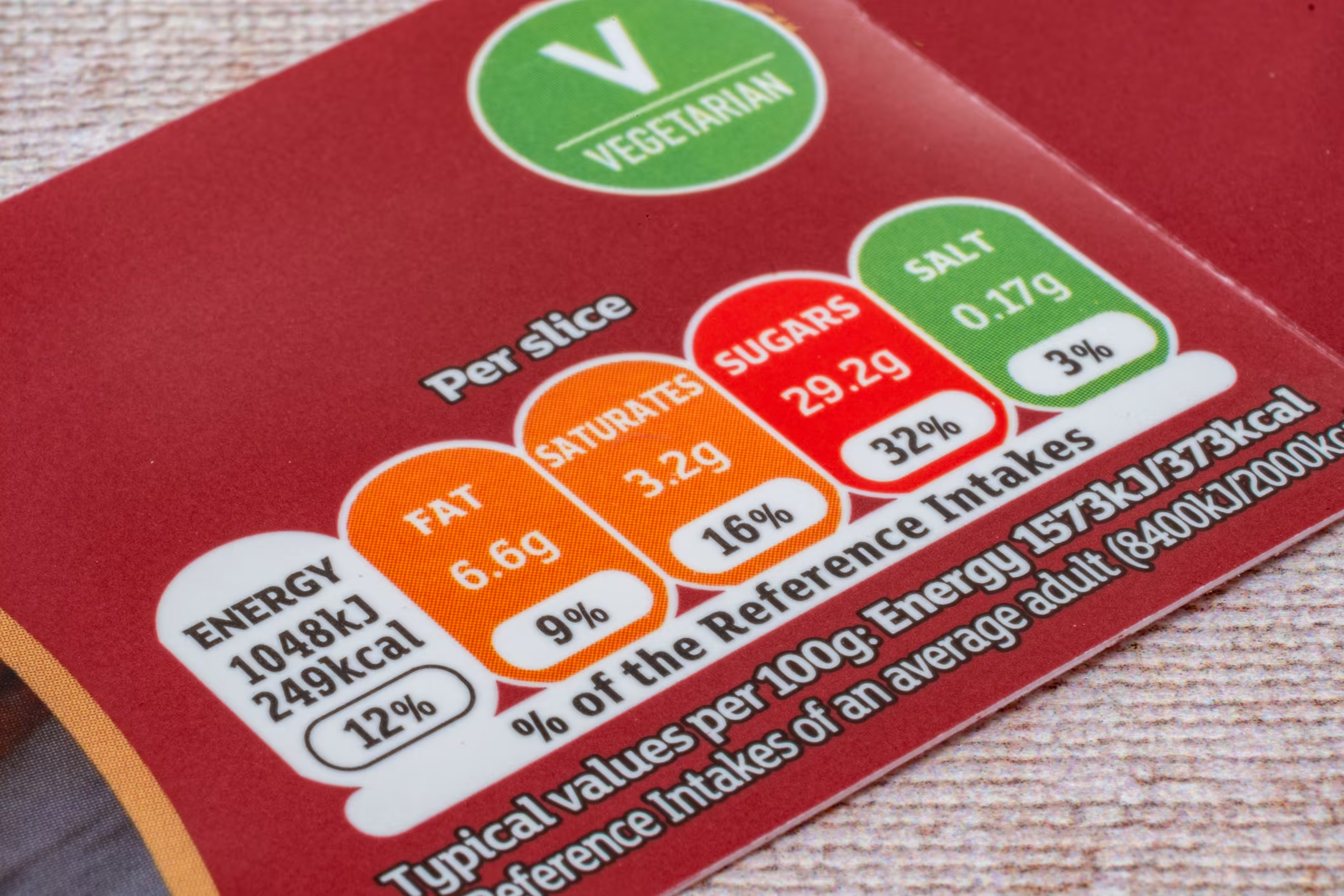
The FDA's Nutrition Info box uses a text-based "Low/Med/High" rating system, distinct from traffic light systems (UK) or color-coded scores (EU). It is nutrient-specific rather than an overall product score. Brands selling internationally will need to manage multiple FOP requirements.
Conclusion: Proactive Preparation is Key
The FDA's FOP nutrition labeling rule is not a distant possibility; it's an active rulemaking with a clear trajectory toward finalization. The proposed Nutrition Info box will require CPG brands to redesign front panels, recalculate nutrient classifications per SKU, audit claims consistency, and build robust compliance documentation.For brands with large portfolios, this is a multi-team, multi-month project that must begin before the final rule is published. The most effective brands will be those with structured workflows, not just large compliance teams. Knowing which SKUs are affected, updated, or pending reformulation, with a full audit trail, is the operational challenge beneath the regulatory one.Use the preparation window you have now. Build your SKU inventory, run preliminary FOP classifications, audit serving sizes, and implement a compliance documentation system. Teams that act now will meet the deadline with confidence; those that wait will face a crisis.Ready to streamline your compliance? Book a demo with GoVisually to see how our AI-powered label review tools can help your team navigate FDA FOP labeling with confidence.