
FSANZ Food Standards: The Ultimate 2026 Labelling Compliance Guide for Australia & New Zealand

Disclaimer: While GoVisually strives to convey accurate information, please refer to the official website of FSANZ for the most up-to-date guidelines on food and safety and labeling.
For Consumer Packaged Goods (CPG) brands operating in Australia and New Zealand, staying abreast of the Food Standards Australia New Zealand (FSANZ) Code is not merely a regulatory obligation—it is a critical component of market access, consumer trust, and brand integrity. The regulatory environment is dynamic, with significant updates and ongoing discussions shaping how food products are labelled. This guide provides a comprehensive overview of the key FSANZ food labelling compliance requirements for 2026, incorporating insights from official government portals and industry experts.
The High Stakes of Labelling Compliance
Labelling errors can lead to costly recalls, reputational damage, and significant fines. As highlighted by compliance experts like Catherine Zhou, a single misstep, such as an incorrect allergen declaration, can result in substantial financial penalties and erode consumer confidence. Proactive compliance is therefore paramount.
PEAL: The Era of Plain English Allergen Labelling is Here
One of the most impactful recent changes is the full implementation of Plain English Allergen Labelling (PEAL). The transition period for PEAL officially concluded on February 25, 2026. As of February 26, 2026, all food products sold in Australia and New Zealand must comply with the new PEAL requirements.
Key Requirements of PEAL
- Specific Location and Format: Allergen information must be declared in a consistent, designated area on the food label.
- Bold Font: Allergen declarations must be presented in bold font to enhance visibility.
- Simple, Plain English Terms: The use of clear, unambiguous language is mandatory. For example, instead of a generic term like "gluten," if wheat is the source, it must be declared as "wheat."
Common Pitfalls to Avoid with PEAL
Industry feedback indicates that a frequent point of confusion arises from the distinction between "wheat" and "gluten" declarations. Brands must ensure they are accurately identifying the specific allergen source in plain language.
The 2026 Roadmap: Health Star Ratings and Nutrient Claims
Beyond allergens, FSANZ continues to evolve standards related to nutrition and health claims, with the Health Star Rating (HSR) system being a prominent area of focus.
Health Star Rating (HSR) System
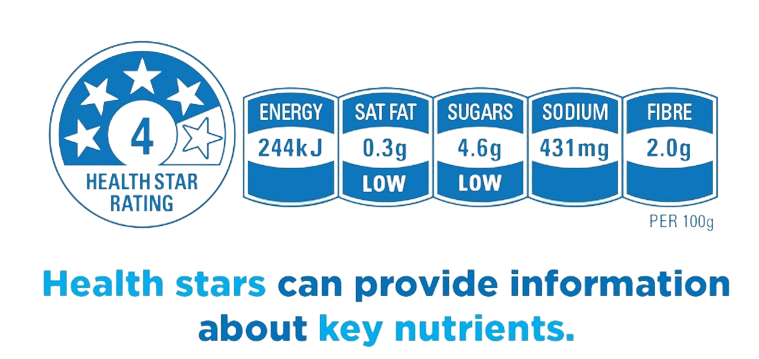
- Current Status: The HSR system is currently voluntary across Australia and New Zealand.
- Future Outlook: FSANZ is actively assessing the possibility of making the HSR system mandatory, with consultations ongoing as of May 2026.
- Consumer Demand: Recent Consumer Insights Tracker reports from FSANZ underscore that consumers are increasingly seeking clear, at-a-glance information to make informed dietary choices.Evolving Nutrient and Health Claims.
Evolving Nutrient and Health Claims
FSANZ has been releasing updated standards covering nutrition and health claims, with variations proposed for added sugars in late 2023. These changes continue to be implemented and refined, requiring brands to regularly review their product formulations and associated claims.
Cross-Border Compliance: Australia vs. New Zealand Nuances

While FSANZ sets bi-national standards, specific import and national regulations can introduce nuances for brands operating across both countries.
Recent Import Rule Tightening
- Retorted Salmon Roe: As of June 1, 2026, Australia requires an Official Government Certificate for imported retorted salmon roe, replacing previous manufacturer declarations due to biosecurity concerns.
- Canadian Bivalves: February 16, 2026, saw tightened import rules for bivalve molluscs from Canada into Australia, introducing mandatory foreign government certification.
These examples highlight the need for brands to not only understand the overarching FSANZ Code but also to monitor country-specific import conditions and regulatory updates from bodies like New Zealand's Ministry for Primary Industries (MPI).
Expert Insights: Why "Good Enough" Labels Are a Recall Risk
Industry veterans consistently emphasize that label compliance is a specialized field. As Russell Heiman, a food industry expert, notes, new brands often underestimate the necessity of engaging a trained food scientist to navigate the complexities of labelling regulations.The cost of non-compliance far outweighs the investment in expert review.
Common Labelling Mistakes Leading to Recalls
- Illegible Labels: Poor design or print quality rendering critical information unreadable.
- Incorrect Ingredient Declarations: Missing or inaccurate listing of ingredients, particularly allergens.
- Unauthorized Health Claims: Making claims that are not substantiated or permitted under the Food Standards Code.
The financial implications of oversight are stark; even a minor error can trigger a recall, costing a brand millions in both direct costs and lost consumer trust.
Workflow Automation: Scaling Compliance Without the Scramble
Given the complexity and volume of labelling requirements, manual compliance processes are increasingly unsustainable, especially for CPG brands with extensive SKU portfolios. This is where regulatory compliance software becomes indispensable.
The Role of Regulatory Compliance Software
Platforms designed for Product Lifecycle Management (PLM) and regulatory compliance can significantly streamline the labelling process by:
- Centralizing Data: Managing all product data, including ingredients, formulations, and regulatory requirements, in one system.
- Automating Checks: Running automated checks against the latest FSANZ Code to identify potential non-compliances early in the design phase.
- Ensuring Traceability: Maintaining a comprehensive audit trail of all label versions, reviews, and approvals, crucial for demonstrating due diligence during regulatory scrutiny.
By leveraging such tools, brands can shift from reactive firefighting to proactive compliance, reducing the risk of errors and accelerating time-to-market for new products.
FAQ: Your Quick Guide to FSANZ Labelling Compliance
What is FSANZ?
FSANZ (Food Standards Australia New Zealand) is the bi-national government agency responsible for developing and administering the Australia New Zealand Food Standards Code, which governs food labelling and safety.
What is PEAL and why is it important?
PEAL stands for Plain English Allergen Labelling. It is important because it mandates clear, consistent, and easy-to-understand allergen declarations on food labels, significantly improving safety for consumers with food allergies. Its transition period ended on February 25, 2026, making it fully mandatory.
Is the Health Star Rating (HSR) system mandatory in Australia and New Zealand?
Currently, the HSR system is voluntary. However, FSANZ is actively consulting on making it mandatory, reflecting a trend towards increased front-of-pack nutritional transparency.
How do I ensure my imported products comply with FSANZ standards?
Beyond the general FSANZ Code, you must also monitor country-specific import conditions from agencies like the Australian Department of Agriculture, Fisheries and Forestry (DAFF) and New Zealand's Ministry for Primary Industries (MPI). Always verify documentation requirements, which can change (e.g., for salmon roe imports).
Where can I find the official FSANZ Food Standards Code?
The official Australia New Zealand Food Standards Code is available on the FSANZ website (foodstandards.gov.au). You can often find a consolidated, easy-to-search PDF version there.