
Packaging Compliance for DTC Food Brands: What You Need Before Your First Shipment

Disclaimer: While GoVisually strives to convey accurate information, please refer to the relevant official website for the most up-to-date guidelines on food, safety, and labeling.
Launching Your DTC Food Brand? Don't Let Packaging Compliance Be Your Downfall.
The Direct-to-Consumer (DTC) food market is booming, offering entrepreneurs unprecedented access to customers. But before your delicious products can land on doorsteps, there's a critical, often overlooked hurdle: packaging compliance. For DTC food brands, getting your labels and packaging right isn't just good practice; it's a legal imperative that protects your customers, your brand, and your bottom line.
Unlike traditional retail, DTC adds layers of complexity, from e-commerce labeling nuances to shipping durability and temperature control. A single misstep can lead to costly recalls, regulatory fines, and irreparable damage to your reputation. This beginner's guide will walk you through the essential packaging compliance requirements for DTC food brands in 2026, ensuring you're fully prepared before your first shipment.
Ready to ensure your packaging is compliant from day one? Discover how GoVisually simplifies artwork approvals for DTC food brands and helps you launch with confidence.
The Regulatory Landscape: Who's Watching Your DTC Food Packaging?
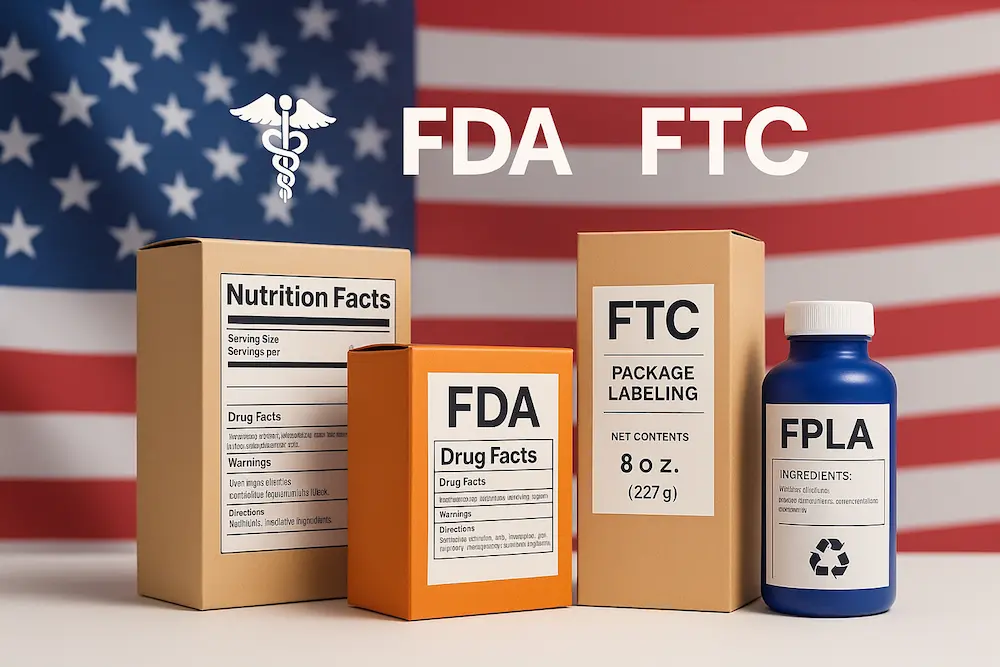
Several key federal agencies oversee food labeling and packaging in the U.S., and their focus is intensifying, especially for online sales:
1. The FDA (Food and Drug Administration): Your Primary Regulator
The FDA is the cornerstone of food safety and labeling. Their Human Foods Program (HFP), fully operational by mid-2026, aims to centralize food safety efforts, meaning stricter and more consistent enforcement. For DTC brands, this translates to:
- Mandatory Label Elements: Every packaged food product must clearly display a Statement of Identity (product name), Net Quantity of Contents, Nutrition Facts Label, Ingredient Statement (with major food allergens highlighted), and the Name and Place of Business of the manufacturer, packer, or distributor.
- Online Labeling Scrutiny: The FDA is actively seeking feedback on how food labeling information is presented on online grocery platforms, signaling a future focus on ensuring accuracy and consistency in the digital realm.
- FSMA Traceability: The Food Safety Modernization Act (FSMA) Final Rule on Requirements for Additional Traceability Records for Certain Foods mandates enhanced record-keeping for specific high-risk foods, crucial for rapid recall if contamination occurs.
- "Healthy" Claims: The FDA's updated rule for using the term "healthy" on labels is taking effect in 2025/2026, requiring specific nutritional criteria to be met.
2. The FTC (Federal Trade Commission): Guarding Against Deception
The FTC ensures that your marketing and labeling claims are truthful and not misleading. This is particularly relevant for:
- Greenwashing Risks: With growing consumer demand for sustainable products, the FTC is vigilant about unsubstantiated environmental claims. Ensure any sustainability claims on your packaging are clear, specific, and backed by verifiable evidence.
- "Made in USA" Claims: If you claim your product is "Made in USA," ensure it meets the FTC's strict all or virtually all standard.
Your Pre-Shipment Packaging Checklist: The Essentials
Before your first product leaves the warehouse, ensure your packaging addresses these critical areas:
1. The Mandatory 5: Core Label Elements
Your packaging must clearly and accurately display:
- Product Name (Statement of Identity): What is it? (e.g., "Organic Blueberry Jam")
- Net Quantity of Contents: How much is in the package? (e.g., "Net Wt. 12 oz (340g)")
- Nutrition Facts Label: The standardized panel detailing calories, fats, sugars, etc. Ensure it reflects the latest FDA format.
- Ingredient Statement & Allergens: List all ingredients in descending order of predominance. Clearly identify the eight major food allergens (milk, eggs, fish, shellfish, tree nuts, peanuts, wheat, soybeans, and sesame).
- Manufacturer/Distributor Information: Your company name and address.
2. Front-of-Pack (FOP) Labeling: A Growing Trend
While not yet mandatory across the board in the U.S., the FDA has proposed a rule for Front-of-Package (FOP) nutrition labels that would highlight high levels of saturated fat, sodium, and added sugars. Keep an eye on this, as it could significantly impact your label design. For brands exporting to Canada, mandatory FOP nutrition symbols will be in effect by January 1, 2026.
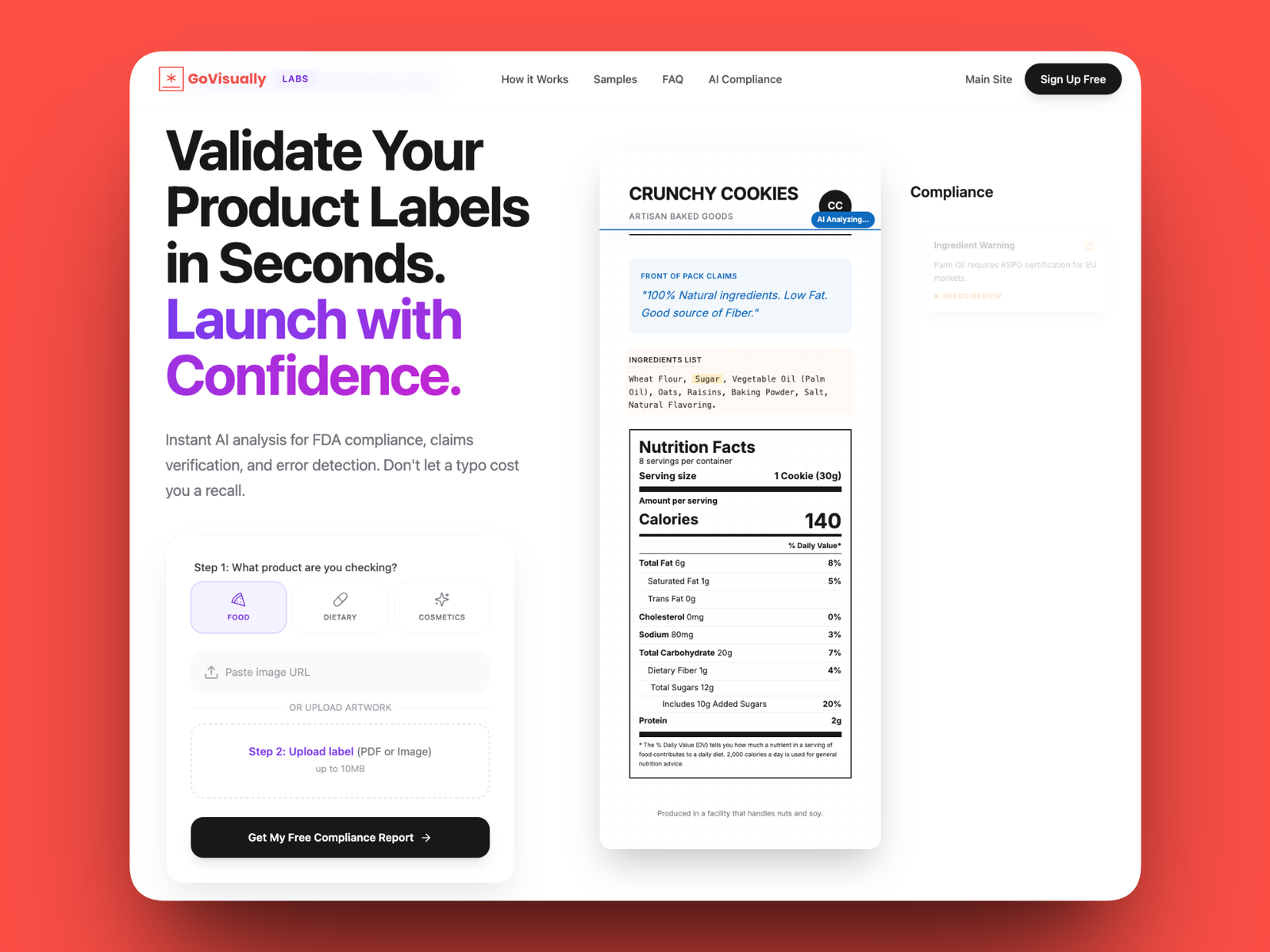
Want to see check your label's compliance score against market standards? Try out our free compliance here.
3. Shipping & Durability: Protecting Your Product in Transit
DTC food products face unique challenges during shipping. Your packaging must be designed to:
- Maintain Temperature Control: For perishable items, your tertiary packaging (outer shipping box) must effectively insulate and accommodate refrigerants to keep products at safe temperatures throughout transit.
- Prevent Contamination: Ensure individual product packaging prevents cross-contamination within the shipping box. The outer packaging must also maintain integrity to protect contents from damage and external contaminants.
- Withstand Transit: Packaging needs to be robust enough to handle the rigors of parcel shipping, preventing breakage or spoilage before it reaches the customer.
4. Sustainability Claims: Be Truthful, Be Specific
Consumers are increasingly demanding sustainable products. If you make environmental claims on your packaging (e.g., "compostable," "recycled content"), ensure they are:
- Substantiated: Backed by credible scientific evidence.
- Clear and Specific: Avoid vague terms that could be misleading.
- Relevant: Ensure the claim relates to a significant environmental benefit.
GoVisually: Your Essential Partner for DTC Food Packaging Compliance
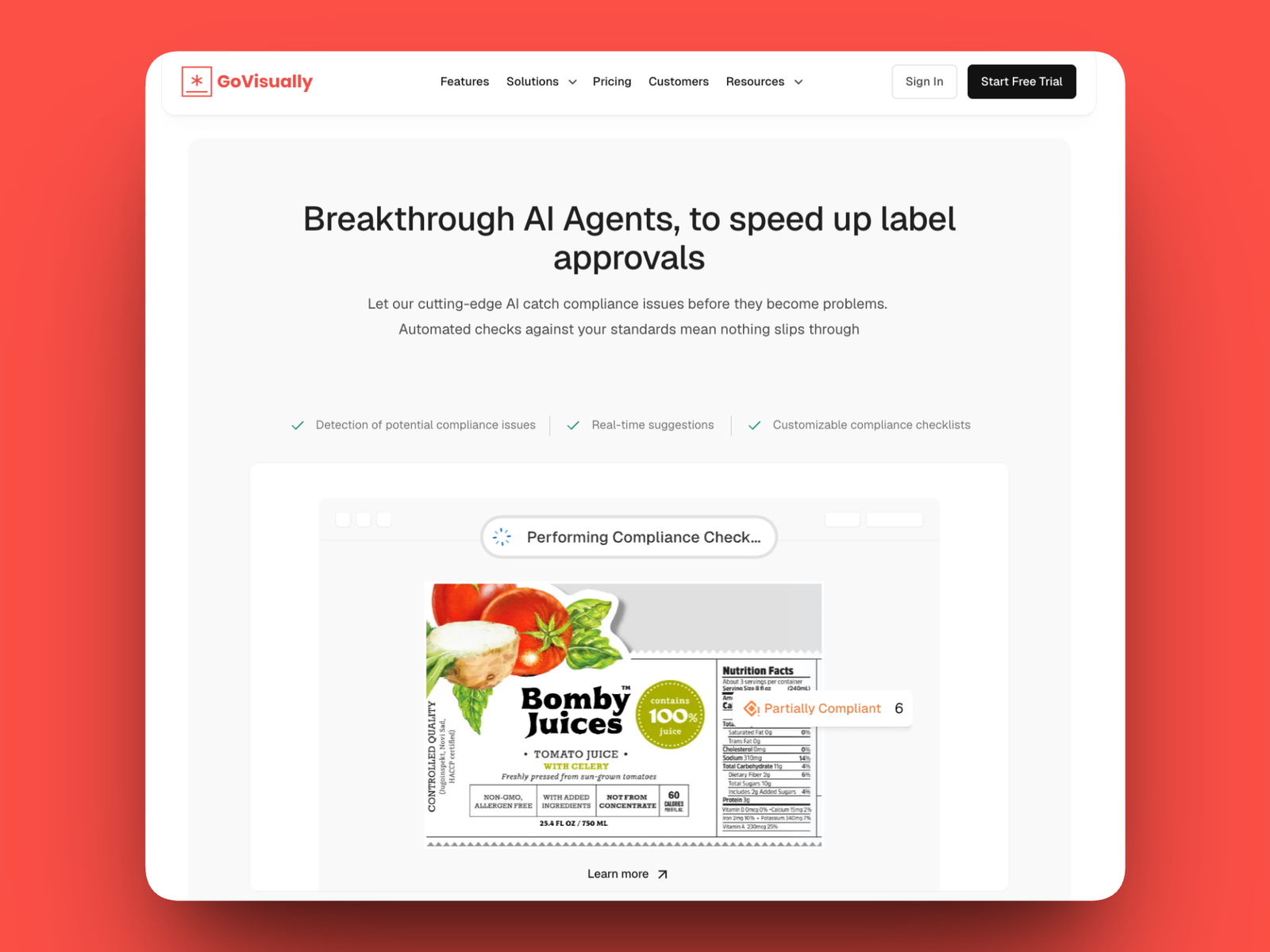
Navigating the labyrinth of DTC food packaging regulations can be daunting, especially for growing brands. This is where GoVisually becomes an indispensable tool, acting as your pre-shipment safety net and accelerating your path to market.
How GoVisually Ensures Your Packaging is Shipment-Ready:
- Centralized Artwork Hub: Eliminate scattered files and email chains. GoVisually provides a single, secure platform for all your packaging artwork, ensuring every team member—from legal to marketing—is working on the latest, approved version. This is crucial for maintaining consistency across all your SKUs and preventing costly errors.
- Customizable Compliance Checklists: Build and embed specific compliance checklists directly into your review workflows. Ensure every mandatory element (Nutrition Facts, allergen declarations, FOP requirements) is verified before approval. This proactive approach catches potential issues early, saving you time and money.
- AI-Powered Proofing for Unmatched Accuracy: GoVisually integrates advanced AI to perform critical checks, such as automated text verification for typos, legal disclaimers, and even barcode validation. This significantly reduces the risk of human error, ensuring your labels are flawless and compliant.
- Comprehensive Audit Trails for Regulatory Confidence: Every comment, revision, and approval is meticulously logged and time-stamped, creating an immutable audit trail. This provides irrefutable proof of due diligence, invaluable for demonstrating compliance to regulatory bodies like the FDA and FTC.
- Streamlined Collaboration: Facilitate seamless feedback and approvals across your internal teams and external partners (designers, co-packers). GoVisually's intuitive interface allows for clear, contextual annotations, drastically cutting down review cycles and accelerating your time-to-market.
Don't risk your first shipment on guesswork. Start your free trial of GoVisually today and ensure your DTC food packaging is compliant, every time.
FAQ: DTC Food Packaging Compliance
What are the most common compliance mistakes for new DTC food brands?
Common mistakes include missing mandatory label elements (like Nutrition Facts or allergen declarations), making unsubstantiated claims (especially sustainability claims), and failing to ensure packaging durability and temperature control during shipping.
Do I need different labels for online sales versus retail sales?
While core mandatory elements remain the same, the FDA is exploring specific requirements for online labeling. It's crucial to ensure all required information is easily accessible and accurate on your e-commerce platform, mirroring your physical label.
How can I ensure my packaging maintains temperature during shipping?
This requires careful selection of insulating materials, refrigerants (gel packs, dry ice), and validation of your packaging system to maintain safe temperatures for the expected transit time. Work with packaging experts and conduct shipping tests.
What is greenwashing and how can I avoid it on my packaging?
Greenwashing is making misleading or unsubstantiated environmental claims. To avoid it, ensure all sustainability claims are specific, verifiable, and backed by evidence. Avoid vague terms like "eco-friendly" without clear substantiation.
How does GoVisually help with DTC food packaging compliance?
GoVisually centralizes artwork, provides customizable compliance checklists, offers AI-powered proofing for accuracy, maintains comprehensive audit trails, and streamlines collaboration, ensuring your packaging meets all regulatory requirements before shipment.