
Recycling symbols on packaging: what each one means and when your brand can use it (US, UK, EU, AU)
A visual glossary of recycling symbols for brands: what each mark means, who issues it, and when you're allowed to print it in the US, UK, EU and Australia.
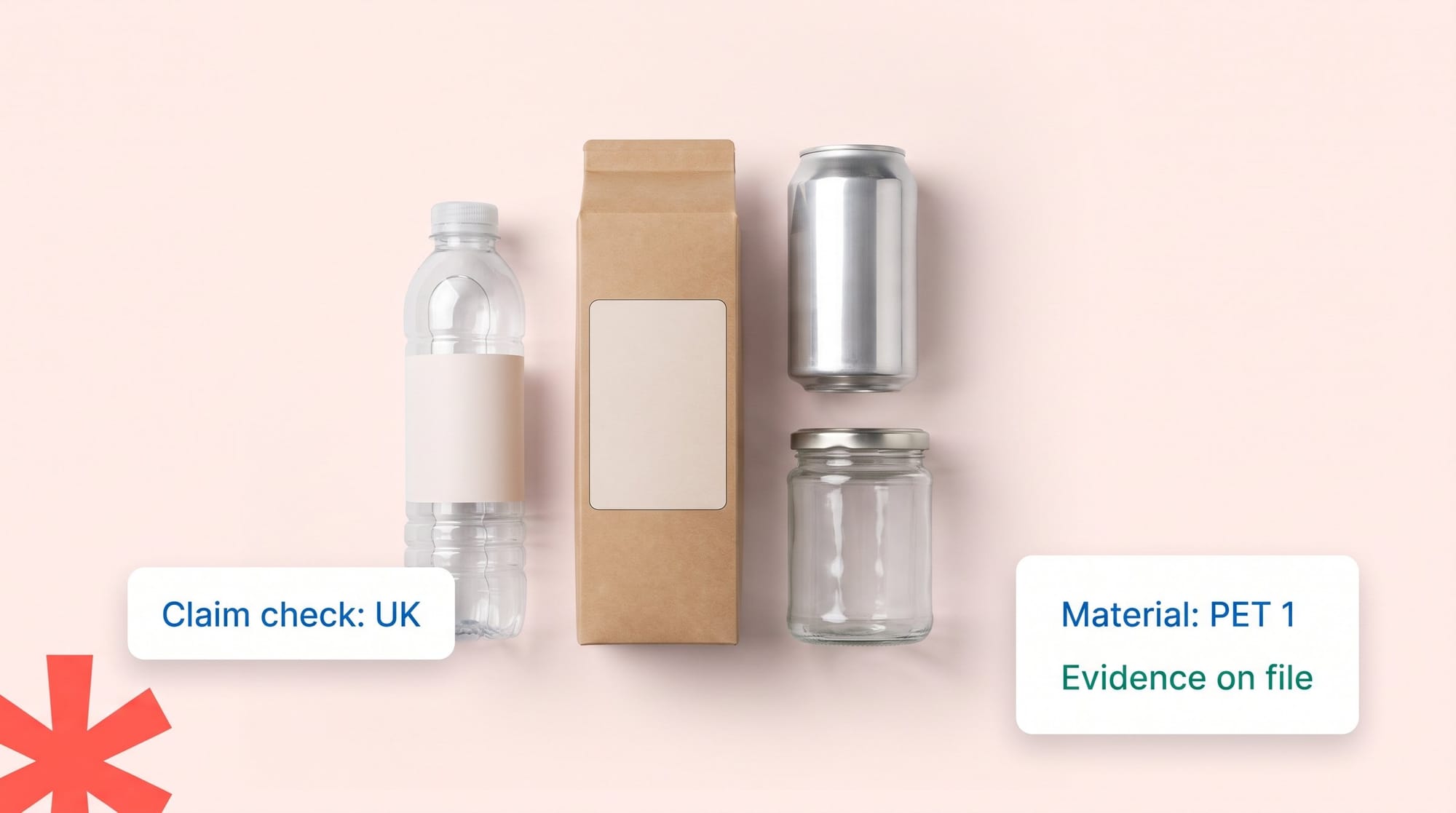
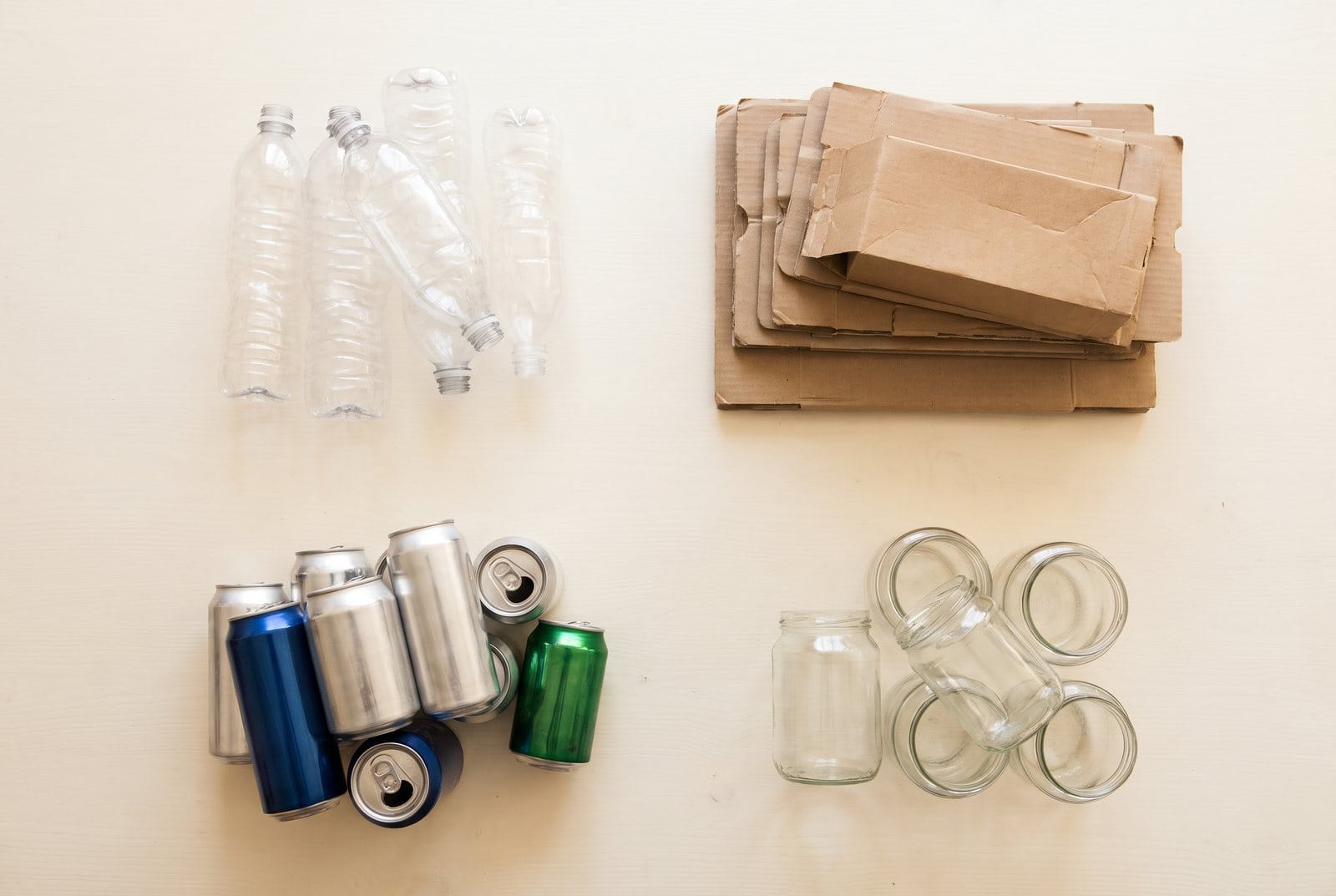
Recycling symbols on packaging tell shoppers what a pack is made of and how to dispose of it. The common ones are the Mobius loop, resin codes 1 to 7, How2Recycle (US and Canada), OPRL (UK), Triman (France), the Green Dot (Europe) and the Australasian Recycling Label. Each one has its own rules for when a brand may print it.
Most guides to recycling symbols are written for shoppers. They explain what a mark means at the bin. This guide is for the brand that puts the mark on the pack.
A shopper only reads the symbol. A brand has to earn it. Some marks need a membership and an assessment. Some are legal claims. One can be required in one country and restricted in another.
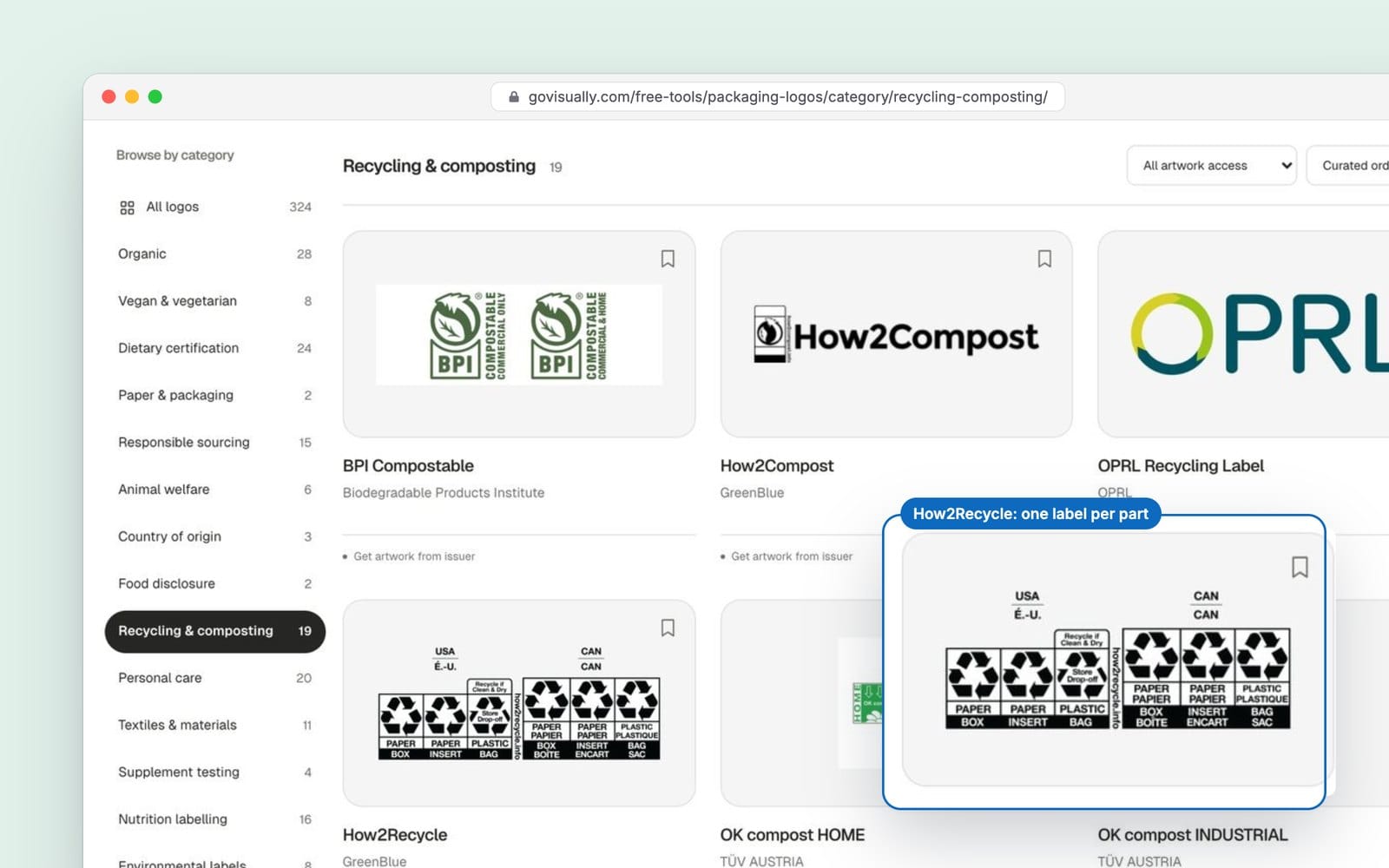
Every mark below links to its page in our free packaging logos and symbols library. Each page shows the mark, who issues it, and where to get the official artwork.
This is a general guide, not legal advice. Rules change. Check the regulator or scheme for each market before you print.
Recycling symbols at a glance
| Symbol | What it tells shoppers | Who runs it | Markets | Can you just print it? |
|---|---|---|---|---|
| Mobius loop | The pack is recyclable. With a %, it shows recycled content. | Nobody. It's a public symbol. | Worldwide | Only if the claim is true where you sell. In California it's now restricted. |
| Resin codes 1–7 | Which plastic the part is made of | ASTM International (standard D7611) | US and many other markets | Yes, if the code is right. Many US states require it on rigid plastic. |
| How2Recycle | How to dispose of each part of the pack | GreenBlue | US, Canada | No. You need a membership and an assessment. |
| OPRL | Recycle or don't recycle, per part | OPRL Ltd | UK | No. You need a membership and an assessment. |
| Triman and Info-tri | The pack must be sorted, and which bin each part goes in | French government; artwork from Citeo | France | It's required for most household packaging sold in France. |
| Green Dot | The producer pays into a packaging recovery scheme | Der Grüne Punkt, licensed through national schemes | Parts of Europe | No. It's a licensed trademark. |
| Australasian Recycling Label (ARL) | Which bin each part goes in | APCO, Planet Ark and PREP Design | Australia, New Zealand | No. You need program membership and a PREP assessment. |
The symbols, one by one
1. Mobius loop (chasing arrows)
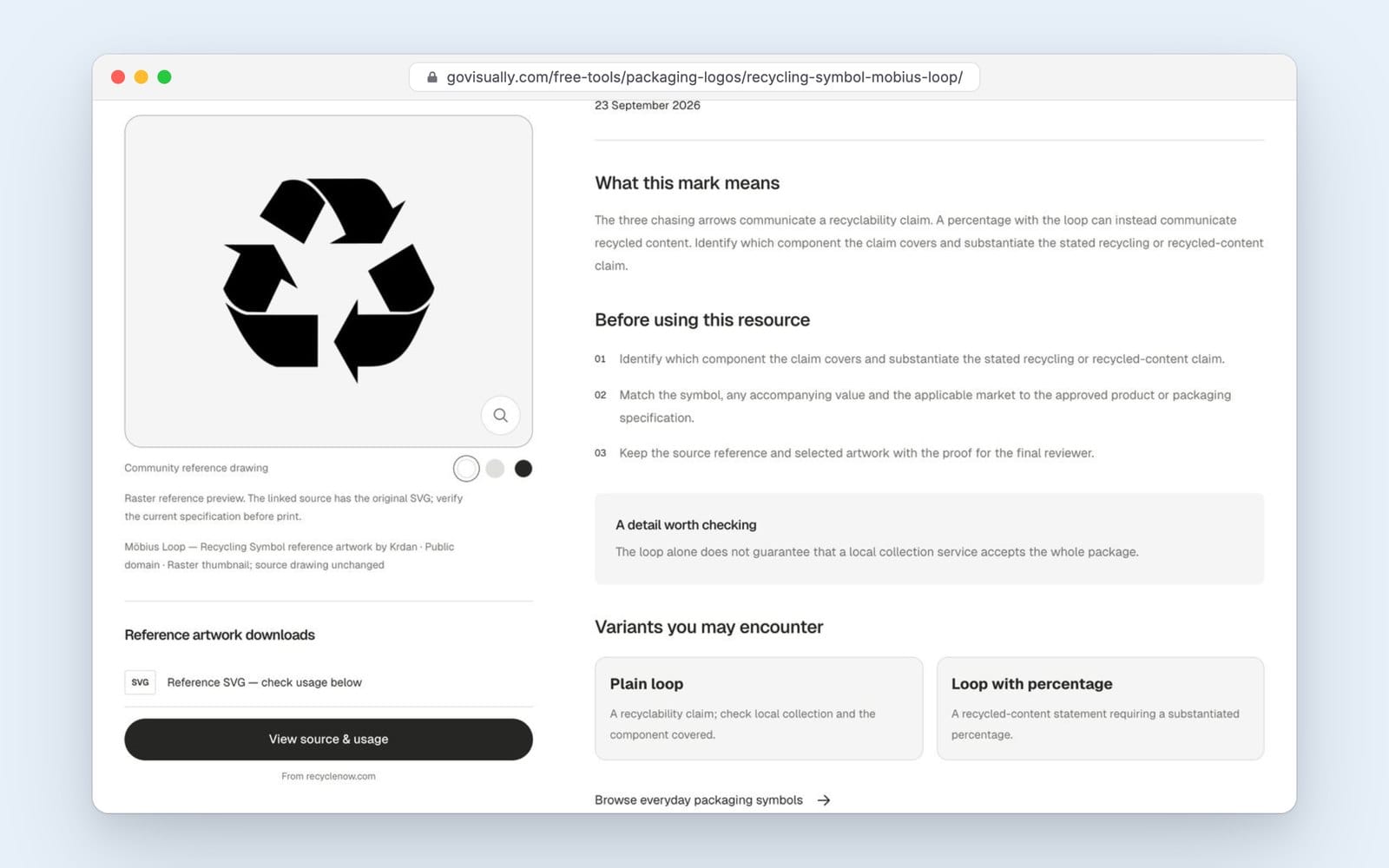
- What it means: three chasing arrows say the pack can be recycled.
- The % variant: a number inside or next to the loop means recycled content, such as "30%". That's a different claim.
- When you can print it: only when shoppers where you sell can actually recycle that part.
- In the US: the FTC Green Guides say an unqualified "recyclable" claim needs recycling access for a substantial majority of shoppers. The FTC uses 60% as the line.
- In California: SB 343 treats the chasing arrows as a recyclability claim. It applies to products and packaging made on or after 4 October 2026. The material has to meet CalRecycle's statewide criteria, or the arrows are deemed deceptive. Our SB 343 guide covers the test in detail.
- Court ruling: on 14 July 2026 a federal court stopped the California Attorney General from enforcing SB 343 while a legal challenge runs (California League of Food Producers v. Bonta). The law and its 4 October 2026 date still stand, so plan to comply.
- Watch out: the loop doesn't mean every part of the pack is recyclable. Say which part it covers.
2. Resin identification codes 1 to 7
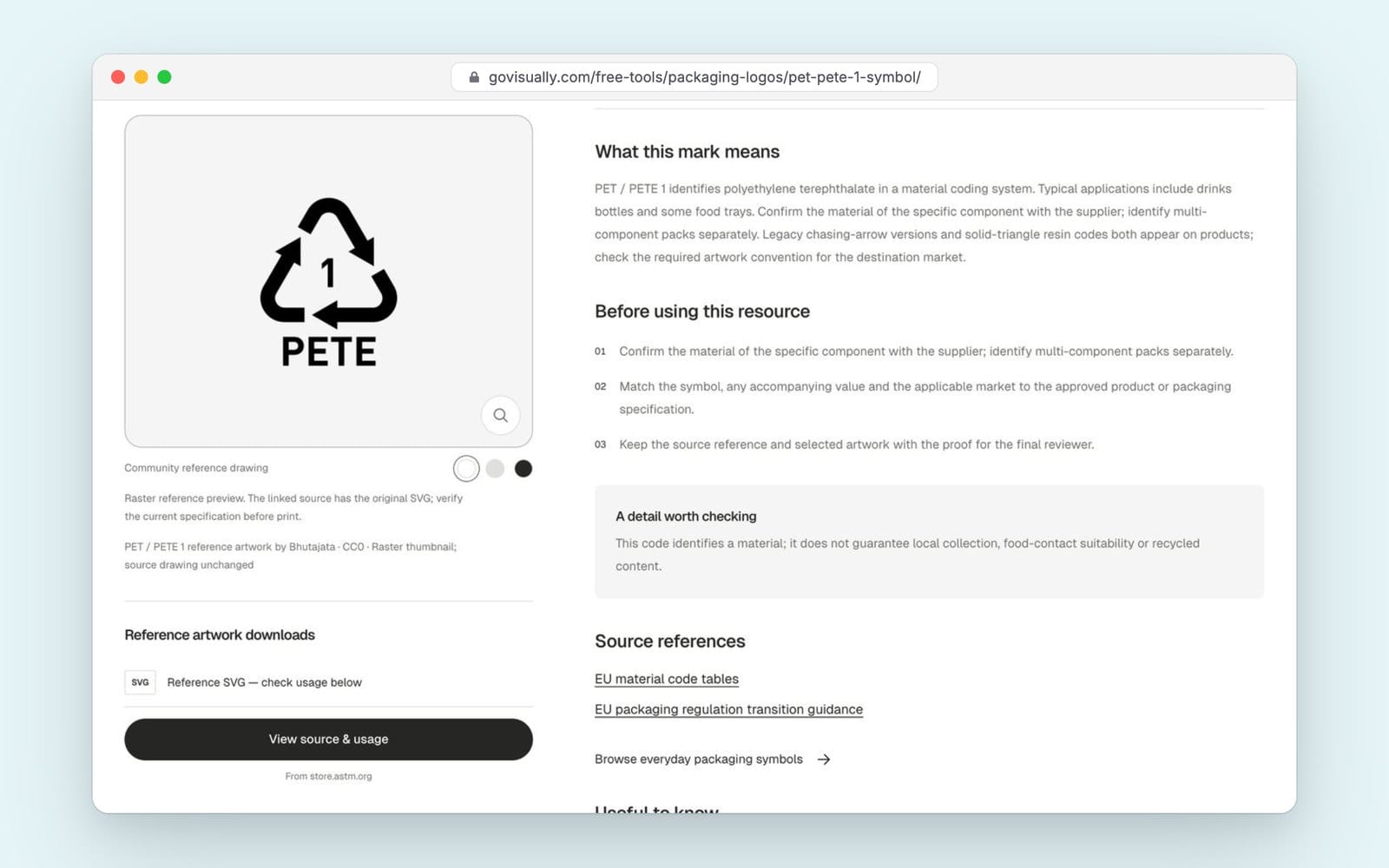
Resin codes name the plastic. They are not a recycling claim on their own.
- 1 PET: drinks bottles, some food trays
- 2 HDPE: milk jugs, supplement tubs
- 3 PVC: some blister packs and films
- 4 LDPE: films, squeeze bottles
- 5 PP: tubs, caps, some pouches
- 6 PS: cups, foam trays
- 7 Other: mixed or other plastics
- When you can print it: whenever the code matches the material. Many US states require it on rigid plastic bottles and containers.
- Which shape: ASTM D7611 puts the number in a solid triangle, not chasing arrows. Under SB 343, a resin code inside chasing arrows counts as a recyclability claim in California.
- Watch out: confirm the material with your supplier for each part. A PET tray with a PE lid needs two codes.
3. How2Recycle (US and Canada)
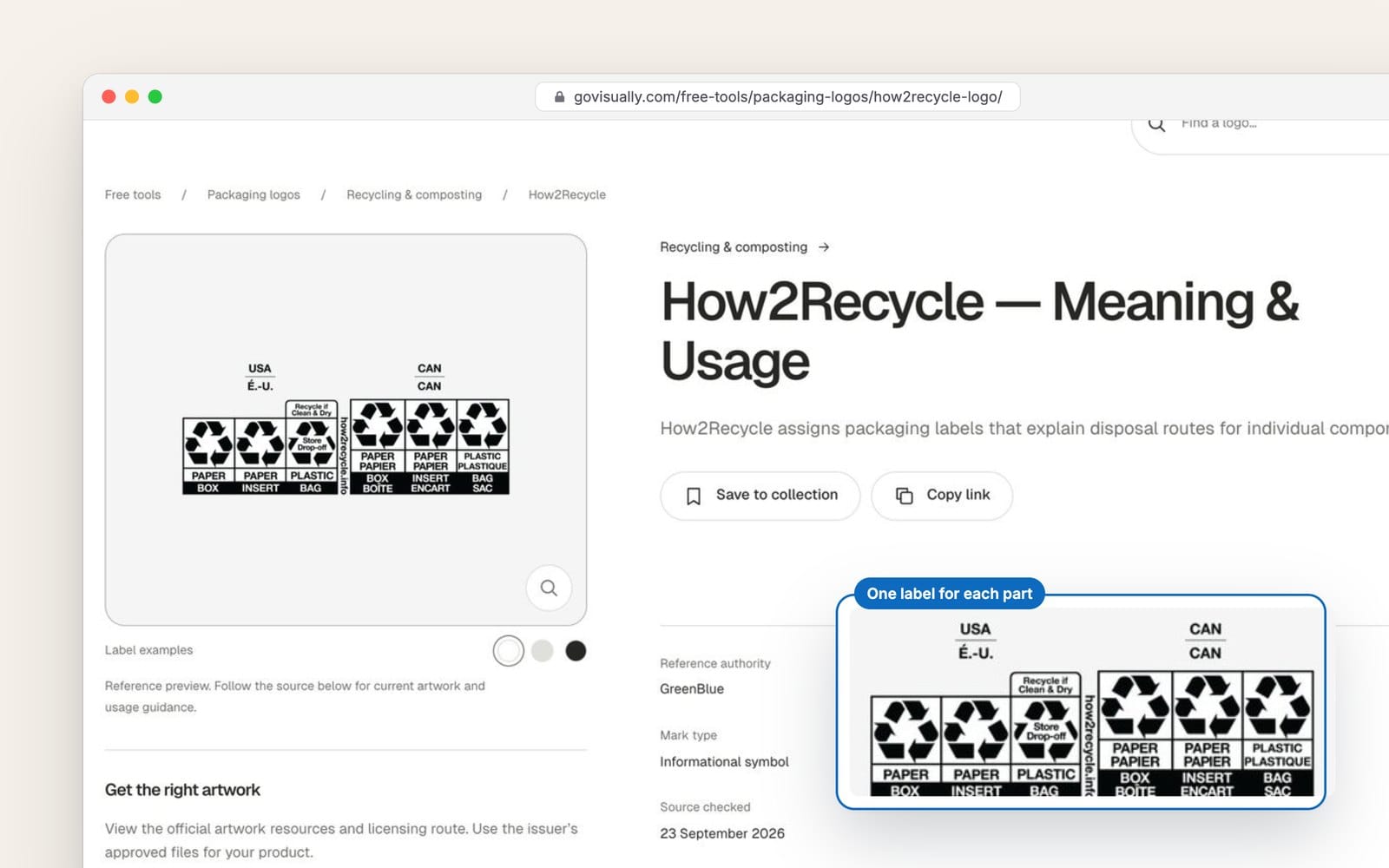
- What it means: a label for each part of the pack, with the material and how to dispose of it.
- Who runs it: GreenBlue, a US non-profit.
- When you can print it: only after you join and How2Recycle assesses your pack. They issue the labels. You don't design your own.
- Watch out: a label is tied to a pack design. Change the film, ink or adhesive and ask for a re-check. How2Recycle has published guidance on SB 343, so check that labels made before October 2026 still fit California.
4. OPRL (UK)
- What it means: a clear "recycle" or "don't recycle" message for each part, sold in the UK.
- Who runs it: OPRL Ltd, a not-for-profit labelling scheme.
- When you can print it: only as a member, using the label OPRL assigns after it checks your pack.
- What's changing: UK mandatory recycling labels were dropped from the first stage of packaging EPR in September 2024. Defra will review them later, and no new date is set. OPRL stays voluntary.
- Watch out: don't print the OPRL company logo as if it were a label.
5. Triman and Info-tri (France)
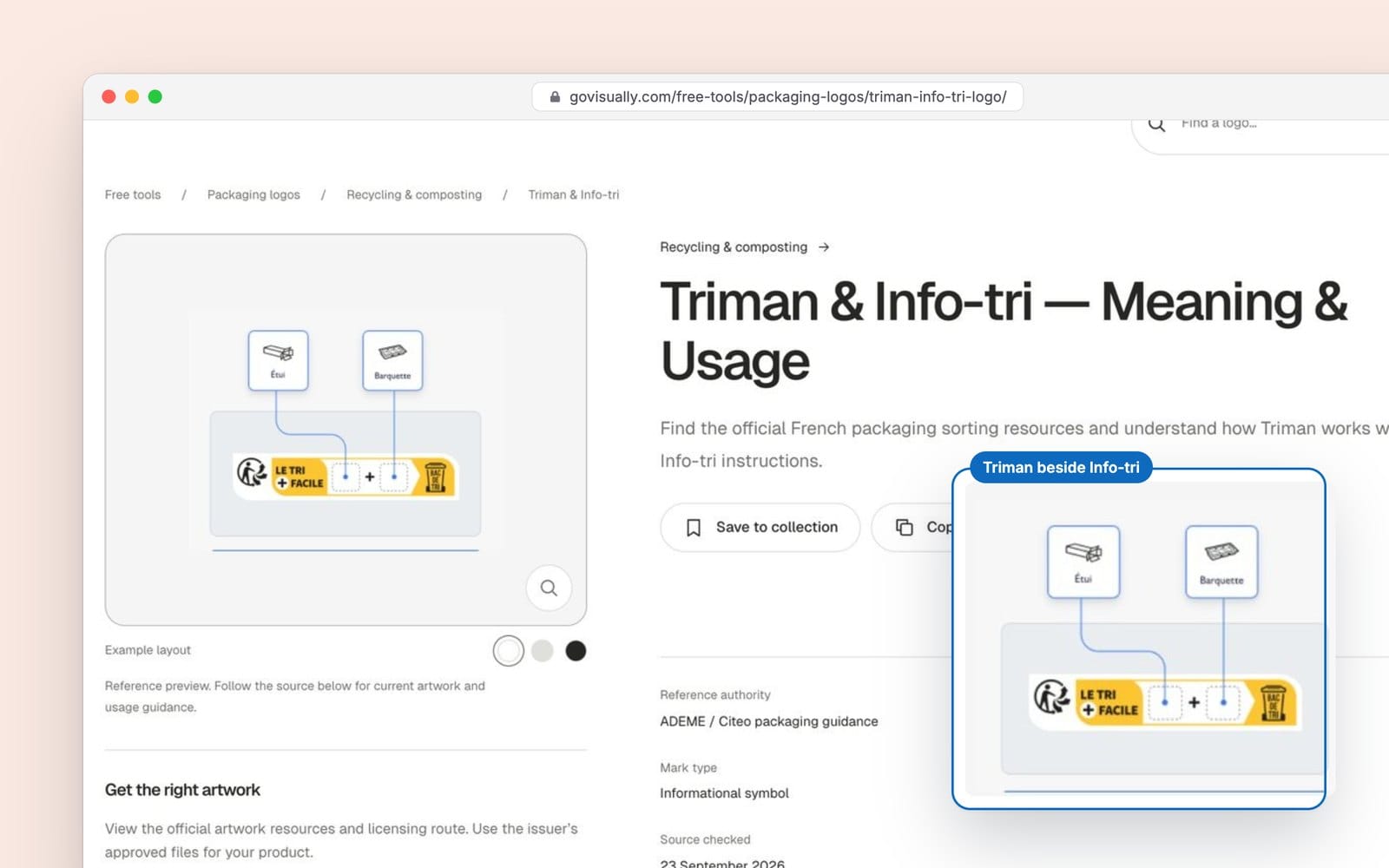
- What it means: the pack must be sorted, not thrown out. Info-tri shows which bin each part goes in.
- Who runs it: it's set by French law (the AGEC law). Citeo supplies the packaging artwork and rules.
- When you must print it: it has been required on most household packaging sold in France since 2022. In some cases it can go online instead of on pack.
- Watch out: Triman has size and placement rules. Get the current guide from Citeo, not an old file.
6. Green Dot (Der Grüne Punkt)
- What it means: the producer has paid into a packaging recovery scheme. It doesn't mean the pack is recyclable.
- Who runs it: Der Grüne Punkt owns the mark. National schemes license it.
- When you can print it: only under a licence. Some countries' schemes have made it optional.
- Watch out: it's often mistaken for a recycling symbol. Ask your scheme before you add or remove it.
7. Australasian Recycling Label (ARL)
- What it means: a label for each part that says which bin it goes in: recyclable, conditionally recyclable or not recyclable.
- Who runs it: the Australian Packaging Covenant Organisation (APCO), with Planet Ark and PREP Design.
- When you can print it: after you join the ARL program and assess the pack in the PREP tool.
- Watch out: the ARL is voluntary today. Australian packaging reform is under discussion, so check APCO for updates.
8. Look-alikes that aren't recycling claims
- Tidyman: "put this in a bin". It's an anti-litter mark, not a recycling claim.
- Compostable marks such as BPI: these are separate certifications with their own tests. Home and industrial composting are different routes.
- EU material codes, such as PAP 20 or ALU 41: these name the material, like resin codes. Italy requires them on packaging.
What the EU PPWR changes
The EU Packaging and Packaging Waste Regulation (PPWR) is Regulation (EU) 2025/40. It mostly applies from 12 August 2026.
- It brings one set of material labels across the EU, so shoppers see the same pictogram in every country.
- Those labels are expected from 2028. The exact design comes in a later implementing act that isn't final yet.
- National marks may need to change when it lands. Triman is the one to watch.
For now, keep printing what each country requires. Plan your artwork so the label panel can be swapped without a full redesign.
How to check a recycling mark before print
Take the Nourish & Co. Peanut Butter Crunch bar. One wrapper design ships to the US, the UK and France. That's three different recycling marks, and each one needs its own check.
- List every part. Wrapper, tray, carton, lid, label. Each part gets its own mark.
- Confirm the material. Get the spec from the supplier for each part. Don't guess from how it feels.
- Map each market. Write down which marks each country requires, allows or restricts.
- Get the assessment. For How2Recycle, OPRL or the ARL, the scheme decides the label, not the designer.
- Use the official artwork. Download it from the issuer. Keep its proportions and wording.
- Check the wording. "Recyclable", "Recycle me" and "Check locally" are claims too. They need the same proof as the symbol.
- Keep the evidence. File the assessment, the supplier spec and the sign-off with the approved proof.
- Re-check on change. A new film, ink, adhesive or market means a new check.
Keep the proof with the artwork
California's environmental claim rules expect brands to hold records that back up a claim. So do most regulators. The hard part is finding that evidence later.
GoVisually keeps that trail with the artwork:
- Multi-stage review workflows (custom plans): send every proof through brand, then regulatory, then QA. Every sign-off is recorded.
- Files tab: keep supplier specs and scheme assessments in the same project as the proof.
- Gia Spotlight: draw a box round the recycling mark and ask a question about it. Treat the answer as a prompt to verify. It only becomes a comment if you add it.
- Compare with a printed pack: upload a photo of the printed sample and compare it with the approved proof. AI Smart Compare lines them up and lists the differences for a person to check.
Your regulatory team still makes the call. GoVisually makes sure the call, and the reason for it, stays attached to the file. Read more about sustainability claims and greenwashing risk and the US EPR reporting rules.
Frequently asked questions
What do the numbers 1 to 7 in recycling symbols mean?
They are resin identification codes. They name the type of plastic: 1 PET, 2 HDPE, 3 PVC, 4 LDPE, 5 PP, 6 PS and 7 other. They don't mean the pack will be recycled where you live.
Can I put the recycling symbol on my packaging?
Only if the claim is true in each market where you sell. In the US, the FTC expects recycling access for a substantial majority of shoppers. In California, SB 343 sets stricter statewide criteria for products made on or after 4 October 2026.
Do I need permission to use the How2Recycle label?
Yes. You join the How2Recycle program, and they assess your pack and issue the labels. You can't download a label and print it yourself.
Is the OPRL label mandatory in the UK?
No. OPRL is a voluntary scheme. UK mandatory recycling labels were dropped from the first stage of packaging EPR in September 2024. Defra will review them later, and no new date is set.
What's the difference between the Green Dot and the recycling symbol?
The Green Dot means the producer has paid into a packaging recovery scheme. The Mobius loop claims the pack is recyclable. The Green Dot is a licensed trademark. The loop is a public symbol.
What does the Triman logo mean?
Triman tells shoppers in France that the pack must be sorted for recycling. It appears with Info-tri instructions that show which bin each part goes in. Most household packaging sold in France must carry it.
Where can I download official recycling symbols?
From the scheme or standard body that issues each mark. Our recycling and composting logos page links to the official source for each one, with notes on usage.
Want every recycling mark signed off by the right people, with the evidence kept in one place? Start a free GoVisually trial.
Disclaimer: This article is general information, not legal or regulatory advice. Rules and product features change, and we can get things wrong. Check the current rules with the relevant regulator or a qualified adviser before you print. Last checked: November 2026.